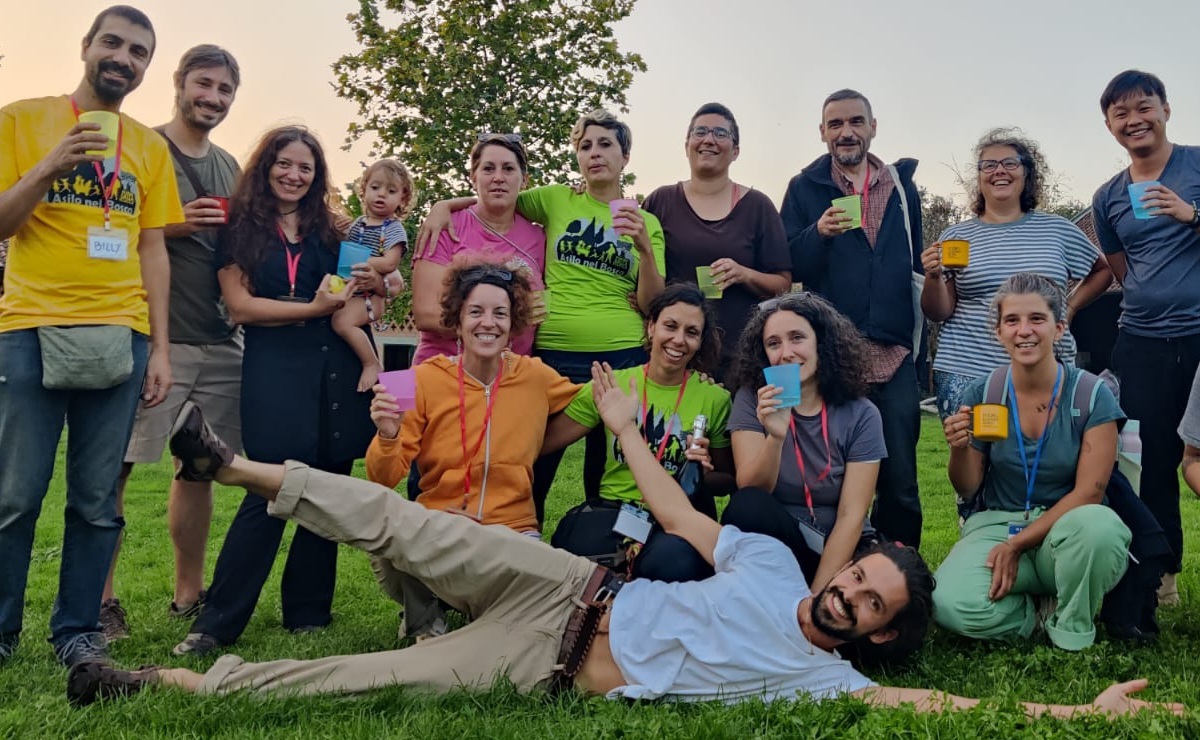
In October 2023, I embarked on a trip to Italy as I was invited to be the keynote speaker for the Italian Forest Pedagogy Conference. I was honoured and nervous at the same time, because this is the first time I have been invited as a keynote speaker to speak at a conference with an audience in another country that is thousands of miles away from Singapore. Unknown to me was the rich treasure of wisdom, inspiration and connection that awaited for me in Italy, the land of the brave.
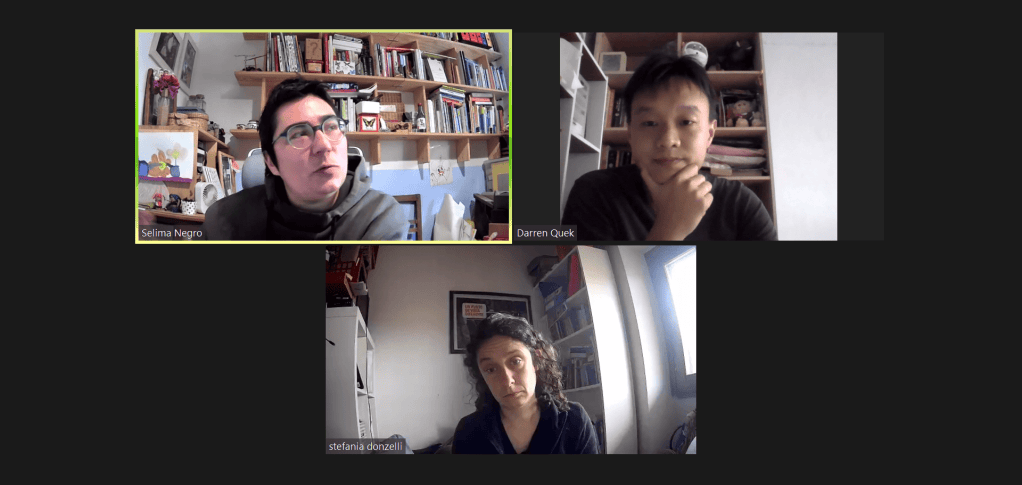
Selima, the coordinator for my trip and the conference, invited me in 2022, after reading some of the deep sharing that we had on Forest School Singapore (FSS)’s social media channel. She was intrigued by the depth and essence of our sharing. We met online a few times before my trip to talk about our research, our practices and stories. There was an instant connection between our experiences and stories. Something magical was brewing from then on.
Upon my arrival in Italy, Selima picked me up from the airport. And from there on in, it was an insightful journey of learning about the Forest Pedagogy ways in Italy, the Italian culture, history, inclusiveness and behavioural patterns. All the way from one airport to another.
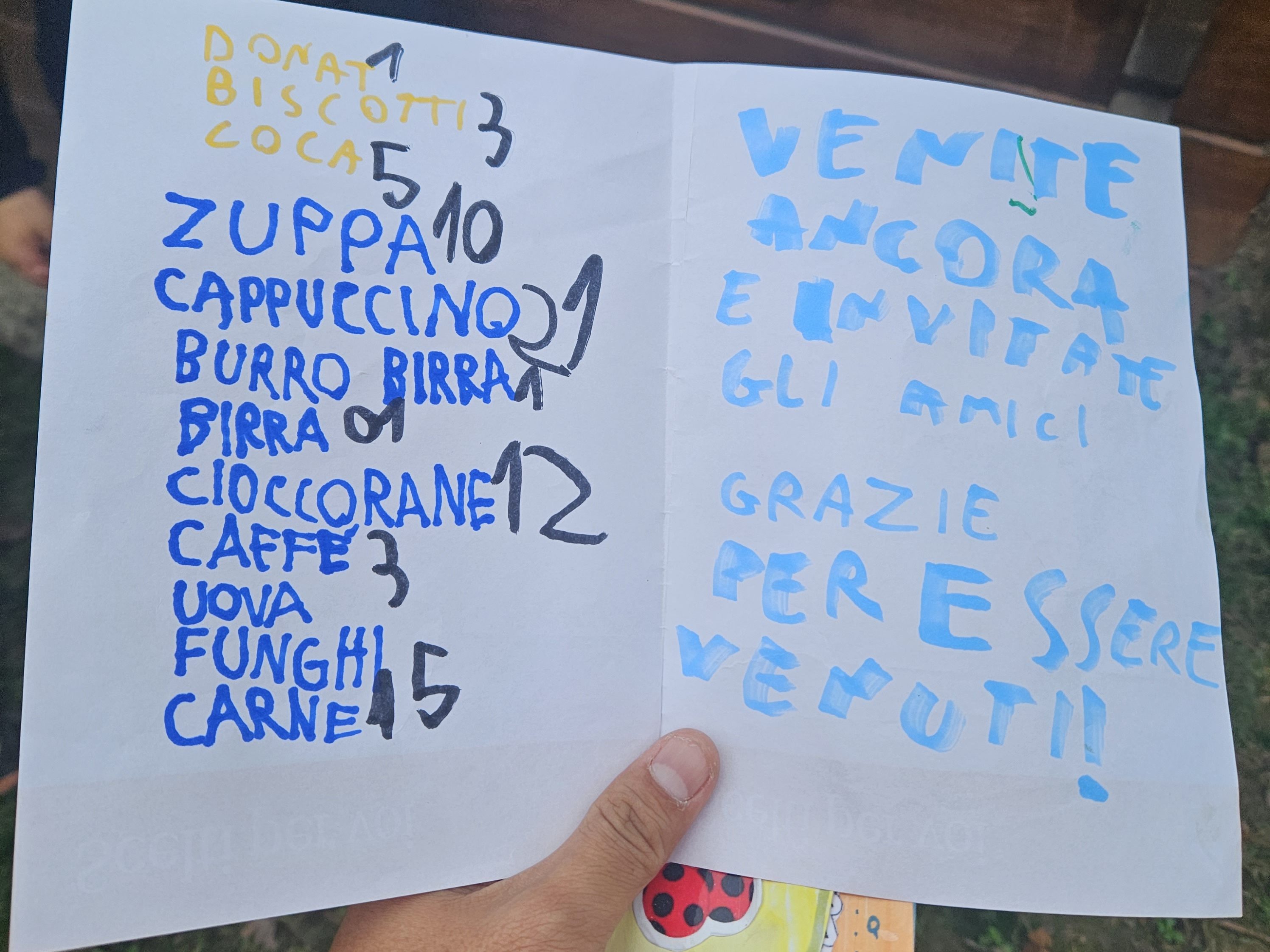
I visited a few Forest Pedagogy communities while I was in Italy. There are the ones who have their own private space with a backyard that leads to the mountains and forest (Fuori Sculla). There are also those who exist in the city-park, and those who venture within the space of public forest reserves, such as Laural’s FK (quite similar to us in FSS). There are so many similarities in our practices of child-led and Nature-led approaches. The challenges are also similar in a lot of ways: from the parents’ perspectives and anxieties, to practitioners’ depth of understanding, to public perspectives and conflicts. It was comforting for me at some point to feel that I’m not alone in this journey of pioneering the Forest Pedagogy movement in my own country, when I see that we are not that different after all. The children’s way of connecting, playing and learning with Nature, is almost exactly the same in Italy as in Singapore. They name the places they love, they like to stay at a site rather than walk long distances. They find every possible thing to climb no matter if it’s a tree or a lamp post. They fight, they build friendships, they learn boundaries. They build sandcastles at every sand-opportunity possible. They create cafes/restaurants and start little “businesses”. And guess what they use as “cash”, hahahaha, LEAVES (just like our kids). Children are the same everywhere in the World.
However, I did observe some differences between Singapore and Italy Forest Pedagogy practice, in terms of the big picture, like Culture, History and Inclusivity.
In Italy, there is a culture of Conflict NON-aversion. Meaning they are more welcoming and would head actively towards conflicts, arguments and fights. From my curious conversations with Selima and other Italian fellowships, I’ve learnt that this is something that is part of Italian culture and ways. They are more willing to face conflict than to avoid it. This is definitely different from the more Asian-centric behaviour of conflict-avoidance that is deeply rooted in most Singaporean or Asian approaches. The draw towards conflict, interestingly, creates a space for the opportunity for acceptance of differences and the dark-side of each individual.
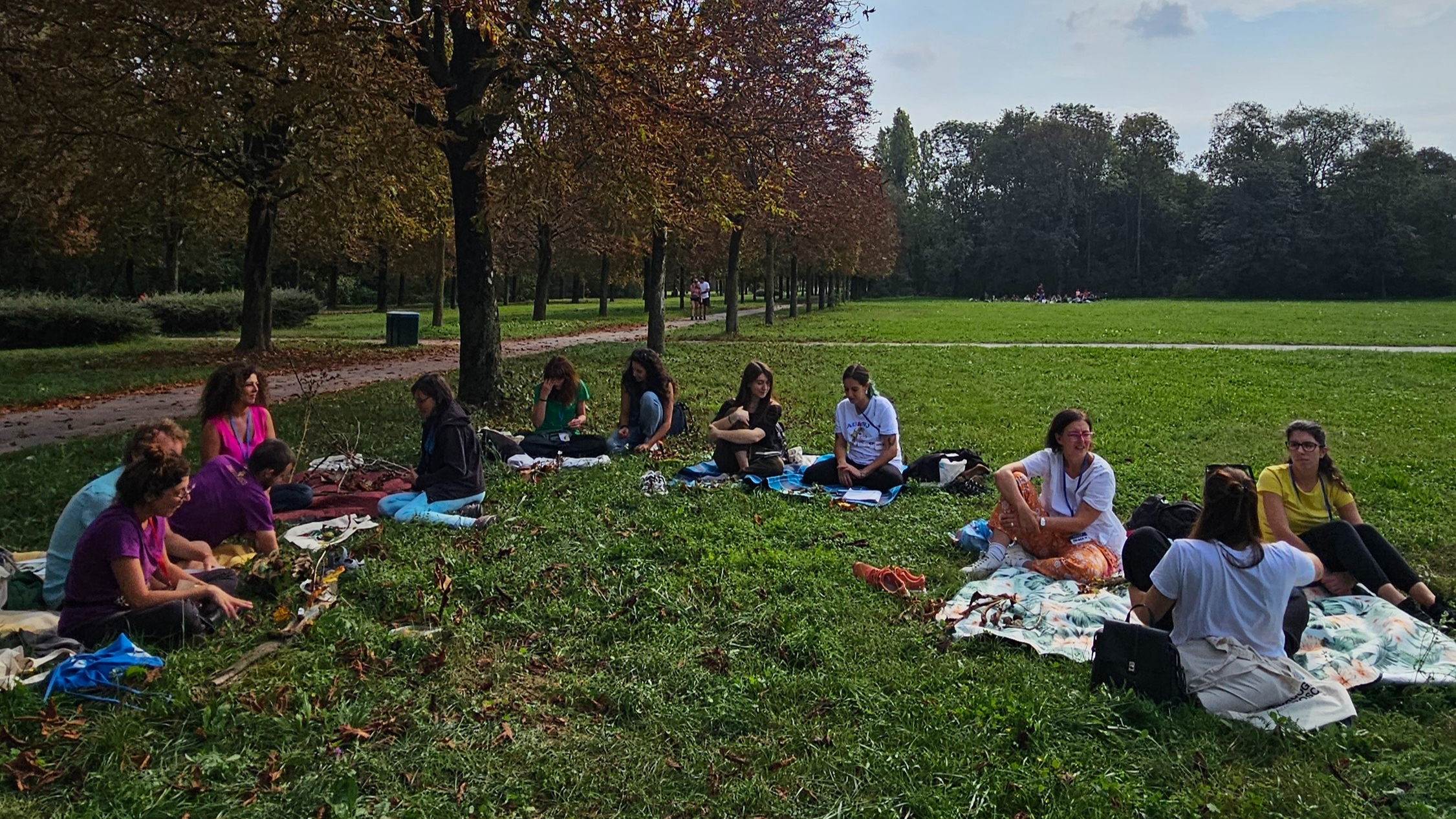
This leads me to the next amazing observation of the Italian’s authentic sense of inclusivity. Inclusivity in Italy is not just a trend or Corporate Social Responsibility thing. It is something, in my view, that comes from the heart and culture of the people, because of the willingness to face conflict and challenges head-on. Whether in LGBTQ, Special Needs or Elderly care, the sense of responsibility for the issues are distributed to be undertaken by the whole society. Everyone takes responsibility together, not just the families and individuals who have to face it or just the central government / establishments. The spread of the responsibility allows everyone to be exposed to the issues and challenges faced, building a sense of empathy for self and others. In Italy, people don’t put the issues into boxes and expect somebody else to attend to it. Instead, they shoulder a collective responsibility.
Nature and Wilderness in Italy has a very unique relationship with the people of the land. There is this Oppression of the Wild, which is rooted in Italy’s long religious Catholic Church history, that persecuted people in the past who engaged in sharmanic practices that are very closely related to wilderness and Nature. This religious history led to a general view of people who are closely linked with the Forest and Mountains as poor or unsightly. Selima and many of my Italian Forest fellowship friends shared with me their intimate views and understanding of the long history of Italy’s relationship with wilderness and Nature. Besides having these religious movements in her history, Italy also has underlying tones of communism and facism within the roots of the people. It’s such a mix of controlling powers that governs the land, and yet the people of the land stand through time and changes to rise to meet head-on with their own conflicts.
The Forest Pedagogy movement in Italy, led by Selima and the Italian Forest Pedagogy fellowships, really exemplify these differences mentioned above in such an authentic way. There is this very fierce sense of honesty about who and what they feel they are. Unfazed and without any embarrassment, they openly share with me all their stories and experiences. It was an honour to receive the gift of authenticity and stories from them. It absolutely far outweighs any material or numerical gift that I could receive.
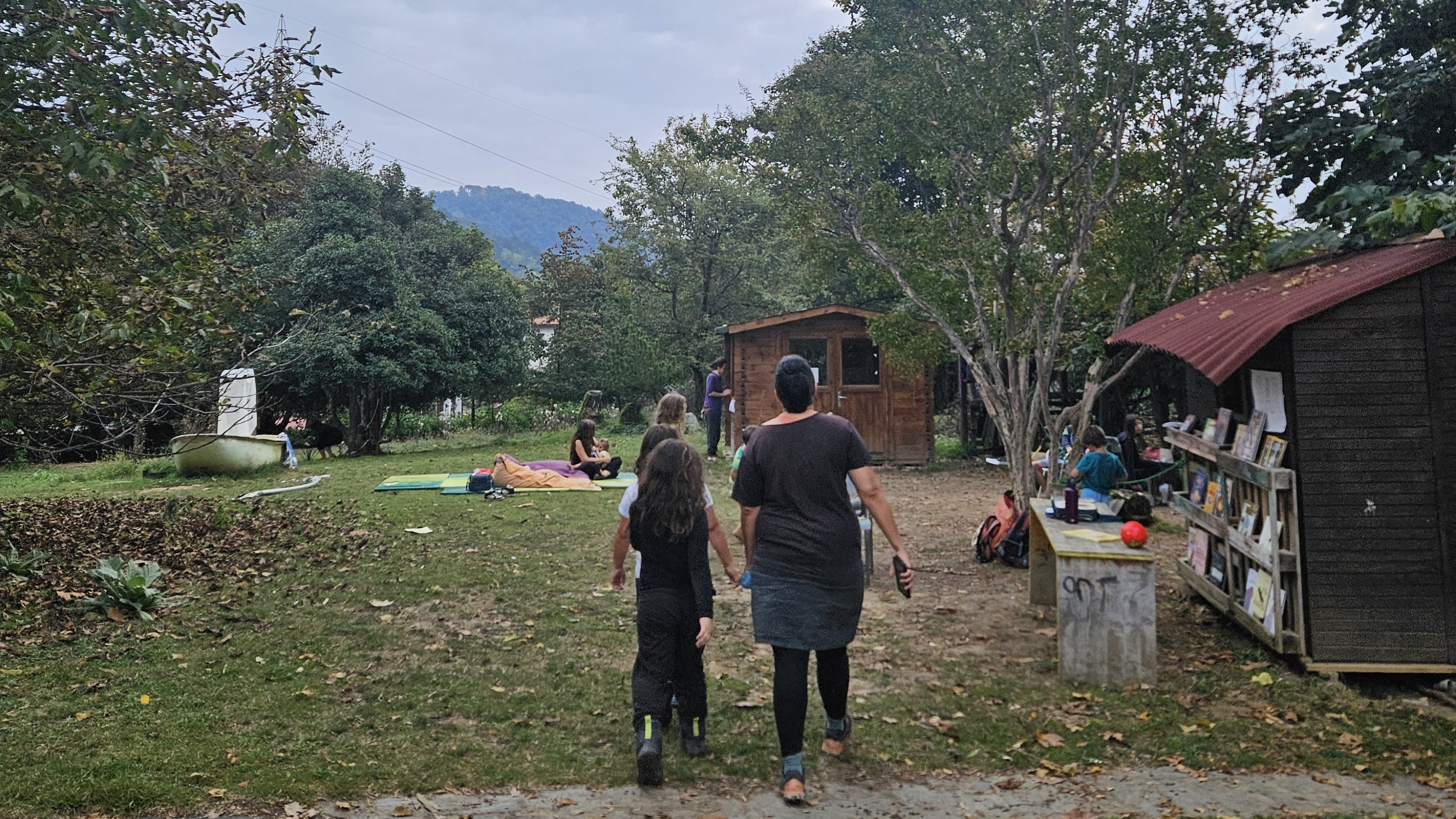
This journey really made me realise that we don’t need to all practise the same Forest School or Forest Pedagogy. We just really need to be honest with ourselves. Our fears, our pain, our desires, our dark-side, our bright-side. And let them lead us to our version of the Forest practice. That… is when we become one with Nature…
There are so many more stories, moments and exchanges that happened during the visit and trip between me and Selima, like our exchange of our Forest School documentations and our journey in the practice from working with children to doing training. The list goes on and on. Haha. All I can say is this, at the end of the trip, we decided to embark on a first-ever cross-perspective research between European and Asian Forest School Practices. I look forward to more endeavours with my Italian friends down the years, as we evolve in our practice.

