With the growing movement of Nature-based education, Forest Schools and Outdoor Education in Singapore, I have been asked the question about defining Forest School quite often. I hope this little article can help everyone have a better insight into the world of Nature and Education that I personally believe in.
Let me set the tone for this sharing. We (humans) are Nature as much as Nature is us. Our physiology and energy are deeply intertwined with Nature. Our children, being the ones closest to pure Natural beings, are the ones that most closely reflect Nature.
With this context and tone in mind, let us deep dive into the elements that make a Forest School.
A Forest School exists by the notion that it is open-ended and child/participant-centric. Our children lead the learning, play and growth as their body and mind deems them fit and ready for. The pedagogy is heavily, if not fully, reliant on what the environment provides. If it is wild and forest-y, then that will be the pedagogy. If it is peppered with urban structures and designs, then that will be the basis of the pedagogy. The environment will be weaved closely with the interest and nuances of the children and educator (or the child in the adult).
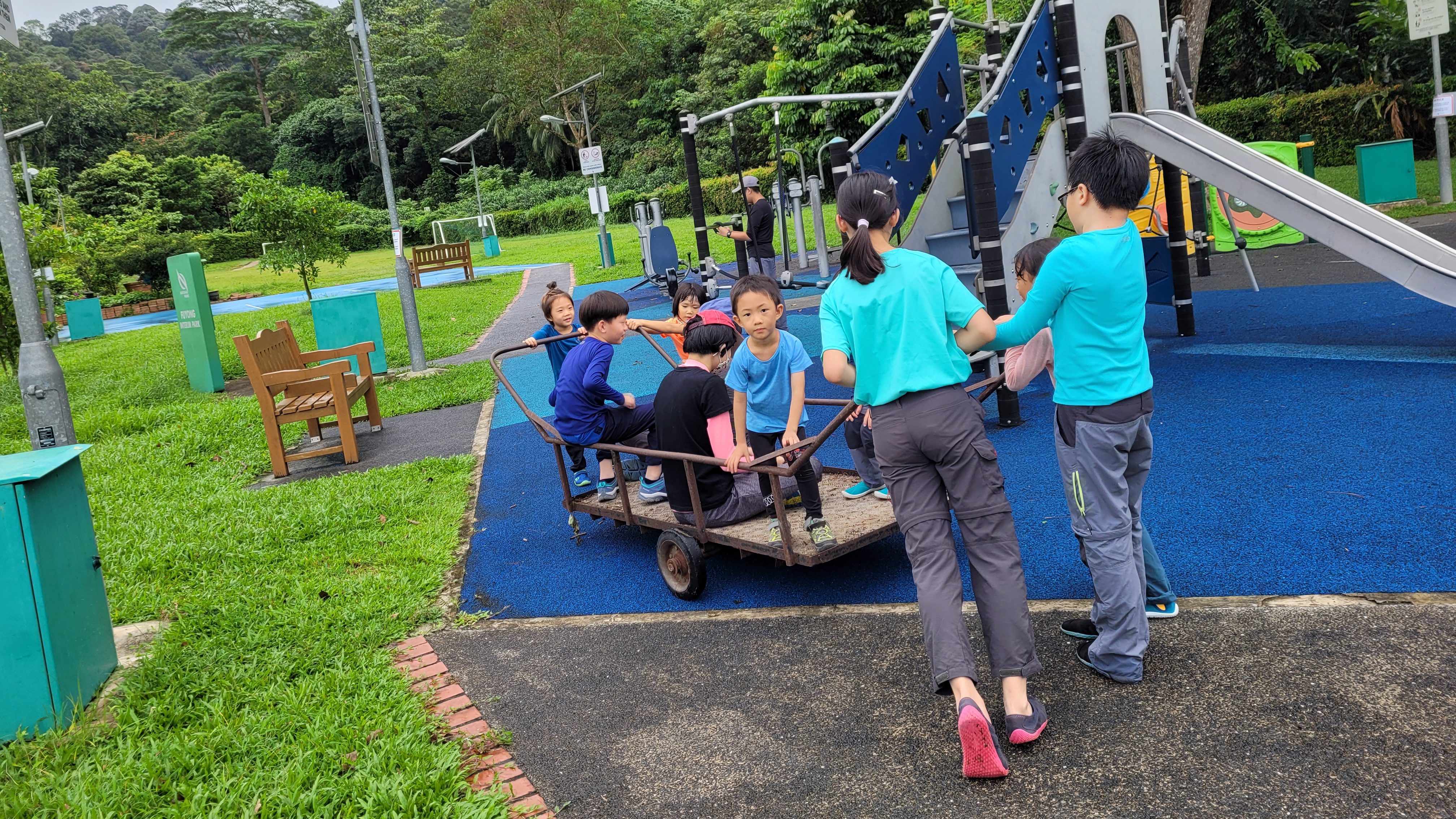
It is in the open concept and the trust in connection that a Forest School pedagogy thrives and functions in. Some Forest Schools can be more structural than others, because of the Natural energy and tendency of that community. As long as they recognise the Nature in them and connect with it, then by all means a Forest School they are.
A true Forest School, in my view, is not one that follows a fixed model, but one that connects with Nature (children, community and environment). So a Robotics or Parkour practitioner can be doing Forest School as much as a fully wild in-jungle Forest School. Because the basis of their practice connects with Nature.
Nature is us. We are not separated from her.
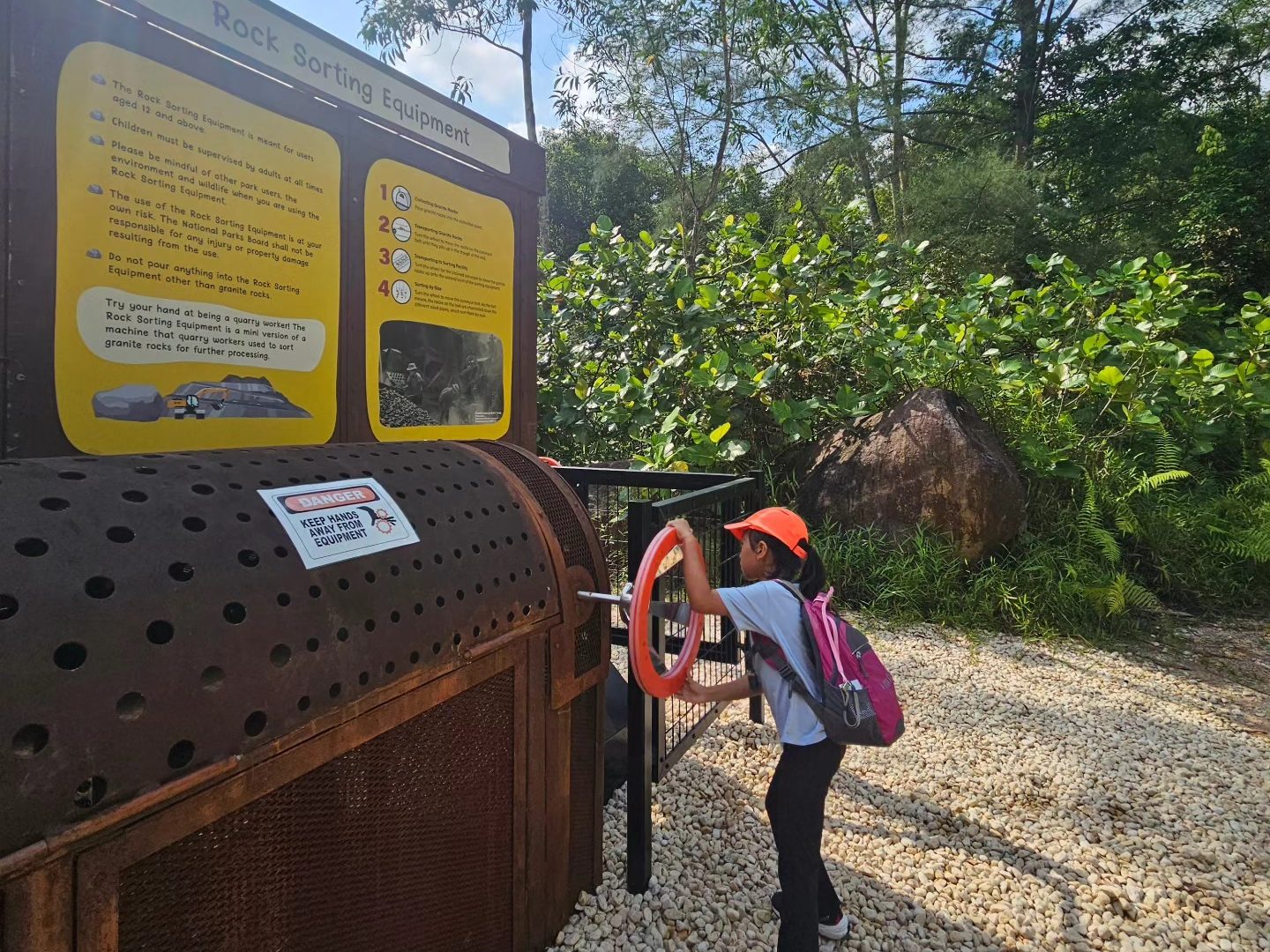
All the contents that some Forest Schools provide are just the platforms for the connections to be revealed. The child is still to be centred as the main focus of the practice. Because the trust is that the child is the closest reflection of Nature, and heeding their tendencies and dynamics helps create a truly connected and authentic Nature Schooling community.
I know this can be quite a brain-ful explanation for most who have not fully experienced the Forest School ways. I myself took 7 plus years in Forest School and another 8 years in working with children, to really understand this magical work that is the Forest School ways. But even now, everytime I’m in a Forest School session, I am still learning and evolving my practice, taking the lead of children, coaches, parents and the public. Especially our children.
All these are just 10% of the sharing that I can provide in writing. (Maybe I should do a podcast in future on it, haha)
At the end of the day, the true Forest School focuses on the Child, and not on the Program. Because the pedagogy is not made, it is revealed through the practice we have with our children and Nature.
Written by: Uncle Darren
Editted by: Chong Shin Ee

