
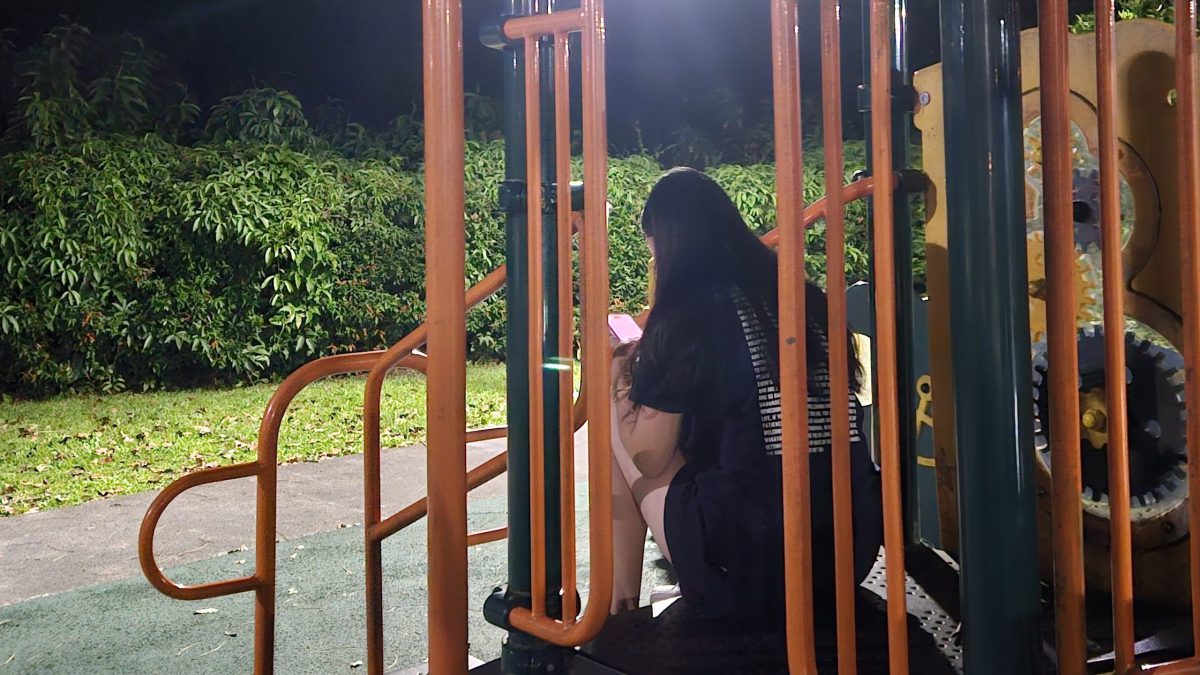
The Achilles Heel of Mankind lies in the feeling of Isolation.
Isolation in the dictionary is defined as “the state of being separated, detached, or set apart from others, whether physically, socially, or emotionally.”
In essence, Isolation breaks down the social fabric of human society, dissociating individuals from social connections, which is a crucial ingredient in the survival of our species, for we are, at the end of the day, social mammals in the great earth ecosystem.
The modern world is peppered with plenty of life challenges and issues. Humans have been capable of meeting these challenges and overcoming them. For thousands of years, the capability of mankind to survive all catastrophes and collapses have come largely from the social fabric and connection that we have to one another.
Isolation, however, is a mechanism in our biology and nature that serves to reduce our survival-bility. It leads to our depression and almost self-exodus from the social fabric. Isolation will naturally bring a social animal to a point of self-destruction as an individual and quite possibly as a species.
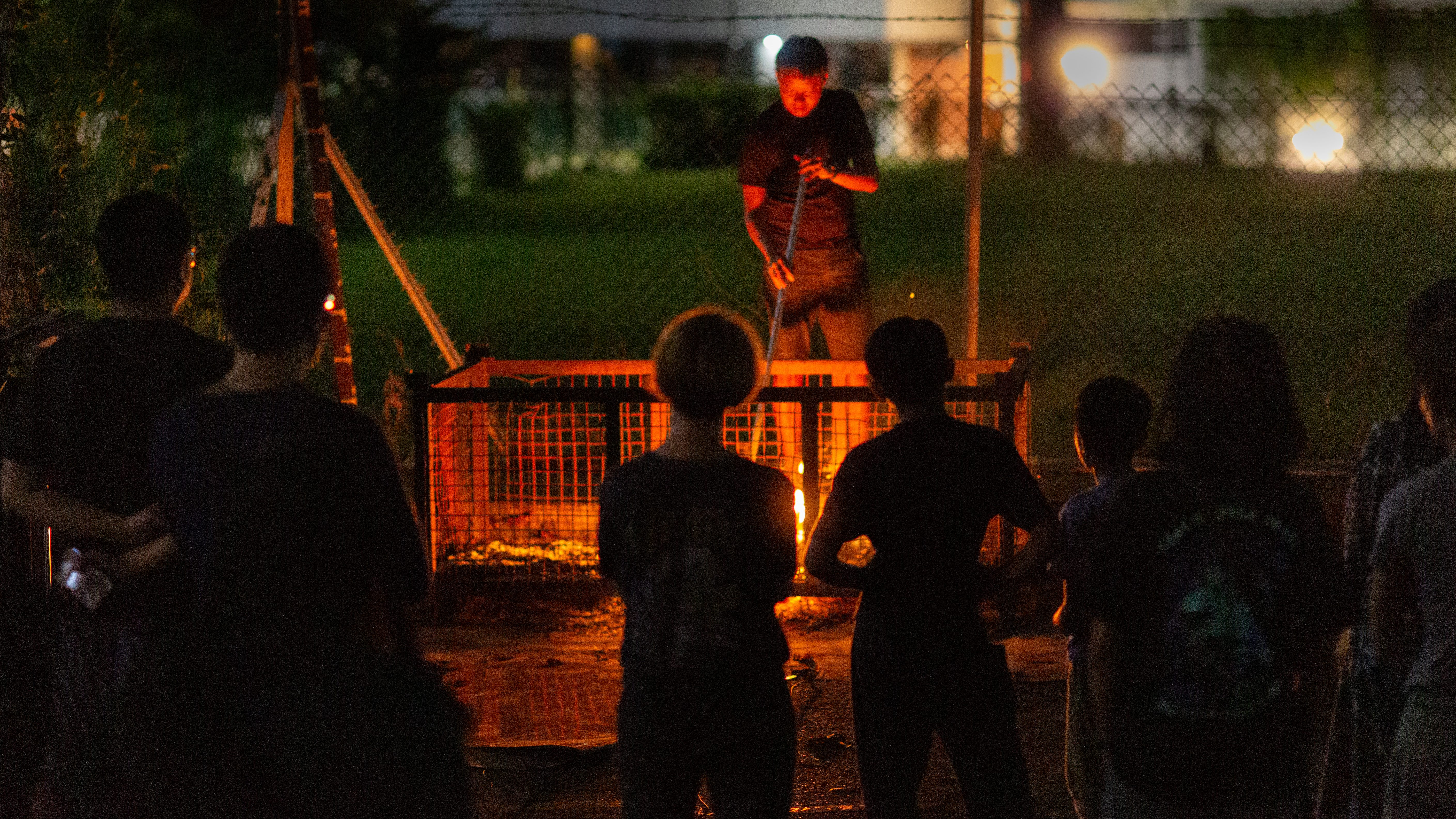
Some of the key modern day challenges that we face stems from the experience of Isolation.
Bullying is a common behavioural pattern found in social animals. Recently, a monkey named “Punch” achieved viral status when a video of him hugging a stuffed monkey after being isolated from his fellow monkeys was uploaded on social media. Even in the animal kingdom, social animals have been known to demonstrate bullying behaviours to their peers and troops.
Bullying’s greatest impact and damage happens when the bullier (or group of bullier) isolates the victim/bullied. This creates the scenario where the victim feels isolated from the social group of that setting. The victim will lose connection from the social fabric that keeps a human being functioning and healthy.
However, if a victim/s of a bully were to be connected with other fellowship (friends / supportive bystanders), during the bullying experience, they may actually not feel isolated. This can then reduce the negative impact and damage of bullying by a huge chunk.
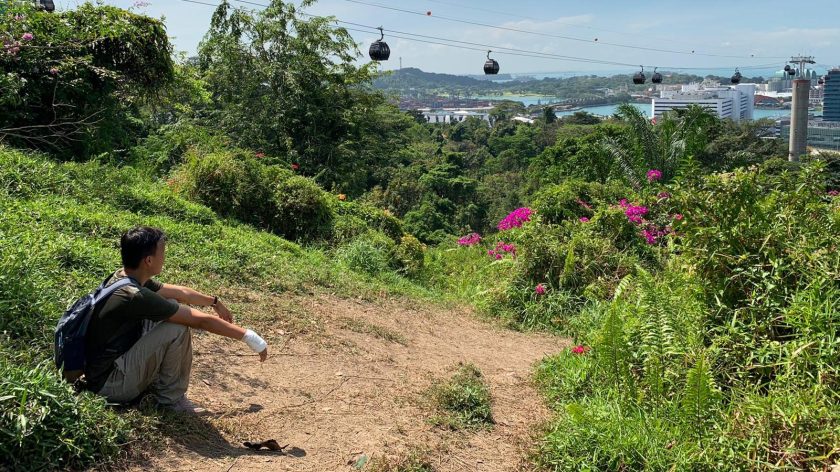
Another challenge of the human species that stems from isolation is Burnout.
Burnout is often understood as being overworked to the point where someone breaks down, and shows incapability to continue the labour at hand. But what often does not get taken into consideration in the burnout equation, is the element of Isolation.
Work can be challenging and experienced in high volume, but when an individual feels that they are alone in handling and managing that work load, they will start to feel overwhelmed and alone at the tasks. This feeling of isolation in the work space, then leads to the gradual loss of social connection with the social group that is related to the work. Burnout will then hit hard on the individuals who experience the feeling of isolation in the work challenges.
However, individuals who are experiencing high workload and challenges, but who. are well supported by their colleagues, supervisors or peers, might not feel as alone. They may feel like they are in the journey together with the team. This will alleviate the Isolation effect, and reduce the probability of burnout by a huge chunk as well.
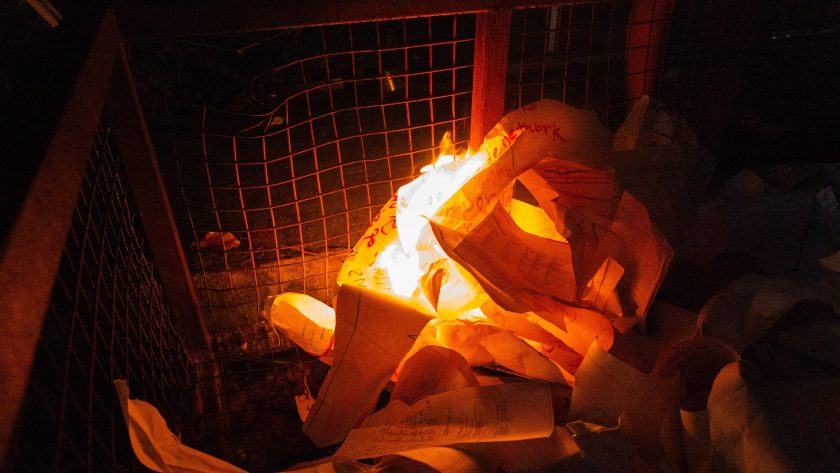
Isolation also plays a huge part in the development of post traumatic experiences.
It is normal to experience some bad and adverse events in life. However, these bad events alone do not cause PTSD. It is actually the combination of the experience with the bad event and feeling alone in facing the effect of the experience that makes an individual develop trauma from the experience. It is once more the element of Isolation that causes mental trauma.
However, if individuals were to be accompanied well and feel supported through the times of facing the effect of the bad event. They will not feel alone in the journey of recovery, which allows them to develop a better health and state of mind moving forward.

In the realm of Addiction, lies at the core a sense of Isolation as well. Many studies have been done on addictions of various forms. They have all pointed to disconnections, which has its roots once more closely tied to Isolation and feeling alone. The tools of addictions are just the means for the individuals to gain some little form of connection that which the individual yearns because of the sense of Isolation.
However, if the individuals who are desiring connections were to be connected with other humans, beings or activities. Won’t that alleviate the feeling of Isolation? From this starting point, won’t addiction be better addressed from there on in.
The notion of Safe Spaces, has been, in the modern day, so overused as a buzzword that the understanding of the term has been muddied. It is not actually about a space that we wouldn’t be judged by others. But instead, it is a space where we don’t feel alone. Isolation once more arises as the element at work, in creating an unsafe space. When judged and criticised, people actually are not necessarily unsafe. It is the notion that they are in space without support, a sense of companionship and connection with others, that they feel Isolated and alone. In this space, they will then start to feel unsafe.
However, if the individuals are supported by others in the space through presence or words, they can actually feel safe. And that sense of safety can manifest into the willingness to share and express themselves.
In the totality of the examples and themes, we can derive clearly, the crucial impact of Isolation in the survival-bility and thrive-ability of the human species.
Isolation is our achilles heel. It is also the instrument that shows our true vulnerability and strength.
The internal and external works done to address this powerful instrument, will define our society and civilisation. The depth of understanding Isolation will be the dance of our fate.
Written by : Darren Quek
Edited by : Chong Shin Ee

