Written By Darren Quek
Editted By Natasha Saw
For the first four years (2016-2019) of Forest School Singapore, we had the luxury of niche groups of families and communities who understood the value of our work. They were the early adopters. Early adopters tend to be more involved with the process and development of the work, rather than seeing it as a service or product with an immediate end result. This boded well for us for many years.
But as the Forest School and Nature Education movement grows, we are starting to see many different approaches arising, just as Nature has her variety of organisms with different specialities.
This surge in movement and growth across the field, has also drawn the mainstream crowd into our Forest School community. This provides us with a whole different challenge in terms of communication, education and concerns that we have to allay.
CONTEXT – Singapore
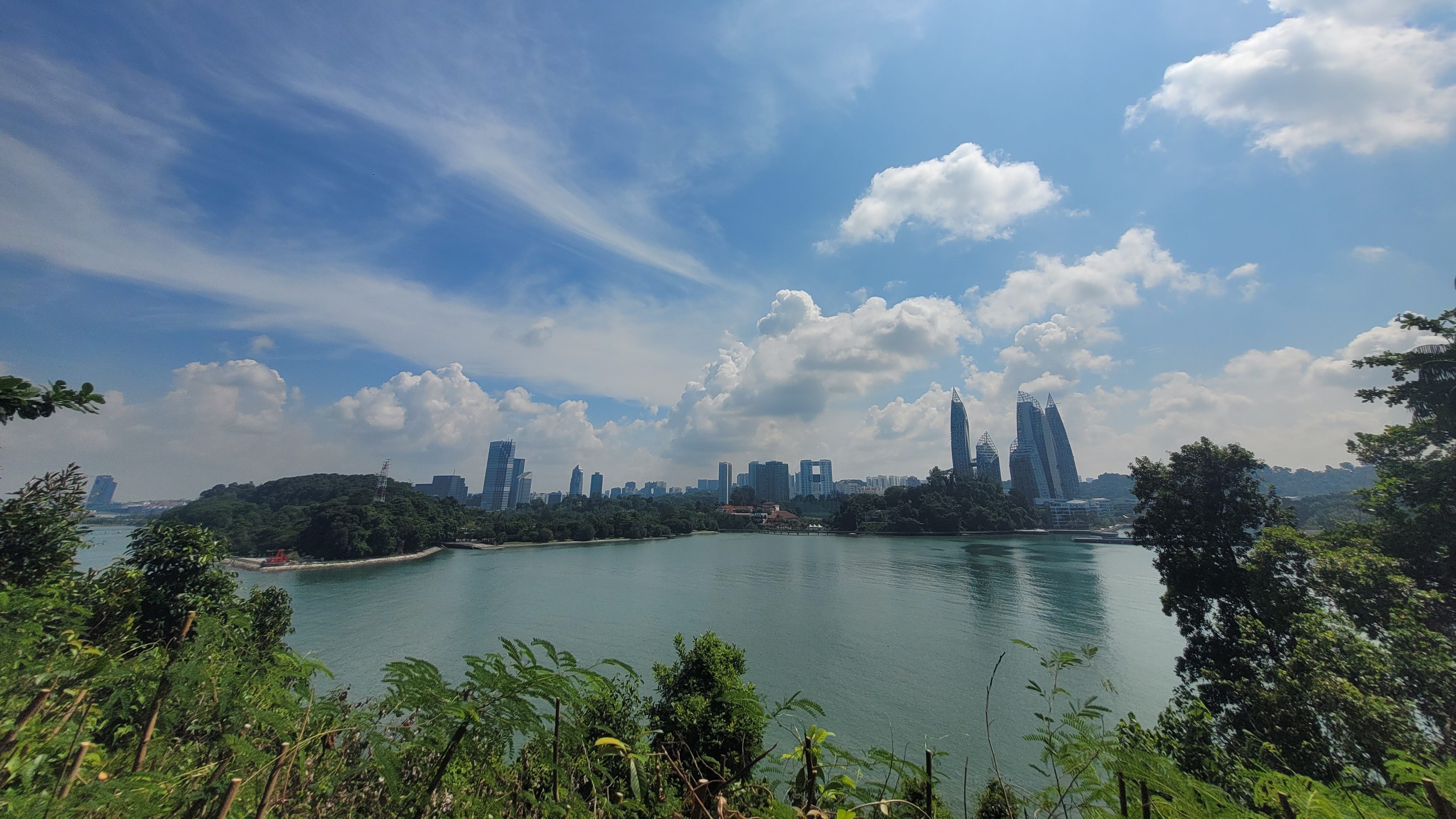
Firstly, we have to understand the context that we are living in. This context is unique to Singapore as a country built on a lack of natural resources. This condition prompted the local government to push for a more short term and productive form of education, rather than a long term development and wellness-focused form of learning and growth. Compounded with our “rich” colonial history, and little understanding of our natural heritage to the land, we have arrived at a state of living, learning and growing that is compulsive and colonialistic. The high levels of censorship and knowledge control has helped to build a compliant nation, which is undoubtedly good for the short term economic excellence of the nation, but also breeds a nation that is compulsively in need of control and quick solutions.
On the other hand, the geographical and resource limited context of Singapore has also brewed a population of people that is adaptable and resourceful when situation arises.
Now with this context in mind, how do you think the mainstream folks in Singapore view and feel about a Forest School experience?
Well, I can be honest with you. Many of the people that came to us in the early years were folks who experienced a deep disconnect — coaches, kids and parents alike. Forest School (and in many ways Mother Nature) provided a space for respite and reflection through play, exploration and being our authentic selves, allowing them to build a deeper connection with themselves as compared to the run of the mill work, parenting and education we have in our urban lives. I started on this journey likewise on the same front of disconnection and subsequent connection. Forest School was never a service or product. It is always a lifestyle, community and sense of acceptance and one-ness with what is around us.
However, with the context of modern Singapore in mind, you can imagine the challenges that will be faced by Forest Schools in Singapore. I would like to share with you some of these challenges, as points of reflection for us, to allow us to be aware of our modern conditioning. Hopefully, through our children’s nuances and Nature’s reminders, we can slowly unravel the Nature in us as adults.
“Dirty”
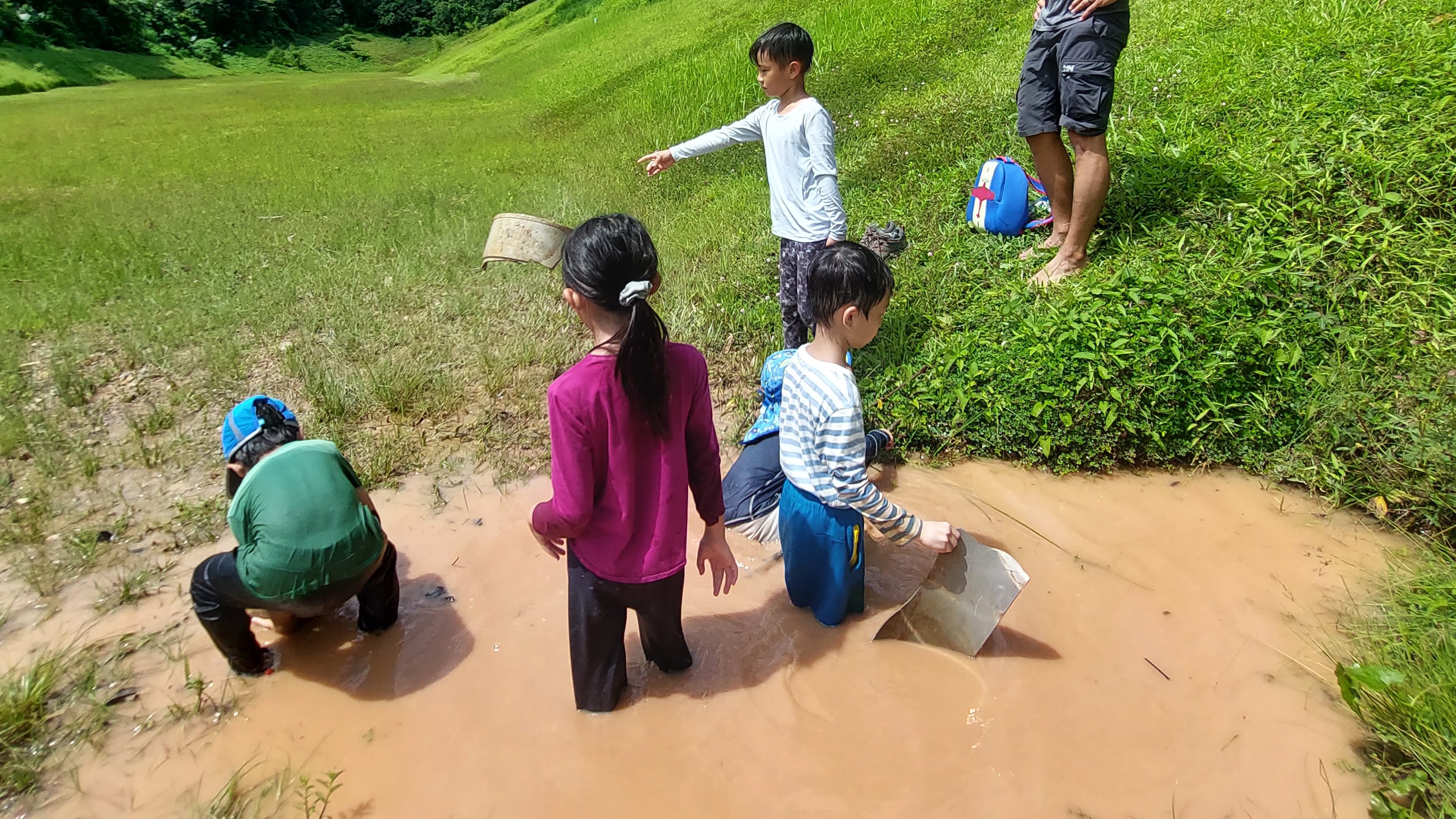
The most evident and basic of all challenges is the notion of “dirtiness”. When in the great outdoors of Mother Nature, mud, sand and soil are sure elements of experience for anyone. However, the notion of dirtiness arises often so instinctively for us adults, due to the colonialistic teaching we received as city dwellers.
Parents and sometimes coaches or teachers often instinctively blurt out, “Eh dont touch that, it’s dirty” to a soil-filled leaf or stick that a child is picking up. I believe most of us are guilty of such a reaction. This reaction gives the notion to our children that muddy, sandy and soily things are “dirty”. But that is far from the truth. For dirtiness is relative, and how we consciously “spell cast” this word, will form the understanding of the world for our children.
It aches my heart to know that many people do not realize that soil is one of the foundations of life, and being blessed with the opportunity to interact so closely and intimately with it is often so severely misunderstood amongst city dwellers like ourselves.
I say this, because I have an anal rententiveness to “cleanliness” and “alignment”. My friends and families would even say it is bordering on OCD. I was not some Tarzan or kampung-living fella growing up. I was quite honestly right there with everyone. In the 6 years that I have been on this journey of Forest School, I realized who I am, and learned to de-condition myself to be able to connect with the source of life and energy.
And that is the beauty of Forest School. It is for everyone, as long as you are ready to reflect and keep an open mind to our being.
So on that note, let us use the words “It is muddy/sandy” instead of “It is dirty”. Let the word “dirty” be used for the Pollutions and Poisons that man created for the Earth.
——
Disempowerment
Another challenge is the notion of Reliance on Authority and Adults. Because in Forest School, we preciously empower a sense of agency, independence and trust in our children. This entails giving them the space to make mistakes, express themselves openly and resolve their own conflict and challenges. At times, in the public’s eyes, we seem like irresponsible adults.
But here is my question to all the adults who are part of a village that raises a child: are we going to be there for them forever?
I like the line from Teacher Tom (Article on Getting Lost), “I want children to be safe, not just for an hour or a day, but for a lifetime, which is why I allow children in my care to play with self-selected risk. It’s why I refer to all those bumps, scrapes, cuts and bruises as “learning ouchies.” Each bandage, each ice pack, each body part that requires a loving rub or a kiss, represents a moment that a child has challenged themself in order to learn an aspect of the most important lesson there is; to keep themselves safe in this world; to learn their limits, to learn about consequences, and to learn about healing.”
We are not going to be there for them forever. Statistically, they will outlive us. So what are we doing if we are creating a relationship of reliance that disempowers the child?
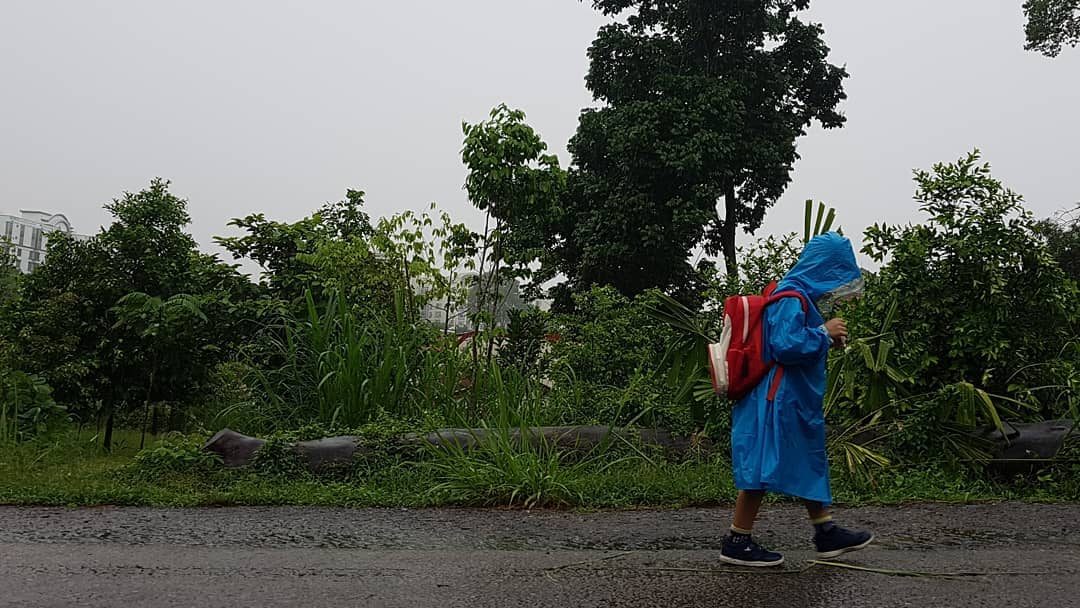
Many a time, adults reactionarily intervene when children face challenging situations. This is usually because we feel guilty for not helping them. We feel obsessively responsible for everything because we, as adults, are insecure and feel disempowered by the state of our lives, working and living with a certain amount of disconnection ourselves. We often intervene by reacting to the situation, instead of responding after holding space.
We also experience adults telling a child to go to an authority figure to find resolution. By doing this are we saying that the child is unable to work problems out themselves? We are in short disempowering them, just like how we are disempowered in society as individuals.
Moreover, by interfering too often, we remove the important steps of struggles, challenges and difficulties that builds the resilience of an individual.
Do we want to have a 23 year old individual who is empowered and is able to brave the storm of life, or one who finds no strength to face failures, such that they crumble and make the choice of suicide?
I know this seems like a far-fetched argument, but seeing is believing. Because I was exposed to the true stories of such experiences, my belief and faith in the methodology of independence in Forest School is strengthened and further reinforced.
So on that note, let’s do more of “Holding Space” for empowerment. Learn to let go of our guilt and trust our children. If you need to, share your opinion and experience, not your solution. Let our children decide their actions and experience the consequences of it.
PS: All the above does not apply to Life-Threatening and Dangerous Moments.
——
Academic Grade
Finally, the big issue that everyone of us is well aware of but dutifully complies with because we have “no choice” — the Overemphasis of Academic Grades and Results.
Our obsession with grades derives from our country’s context and make up over the past few decades. This mainstream perspective is in itself a huge challenge for us at Forest School. Often we get queries on the value of our work because of the fallacy of importance that has been given to academics.
An academic enrichment would cost $50++ for a 45-60 min program, and children would “learn” from it. The greater public buy in whole heartedly to it, due to the fallacy of importance laid upon academics. The value of the academic enrichment programs therefore holds overstated importance. Conversely, a Forest School session that lasts for 120-180 minutes for the same price is seen as not-as-important because it seemingly does not serve an academic purpose. But I would like to argue that it is far from the case. There is a plethora of research and information out there that shows the value of Forest School for the social-emotional wellness of children (which in itself is already very important, especially in a compulsively controlling city living society). Children also experience a much deeper form of learning and growth that has its roots in play and exploration. The learning takes the form of developing their awareness of patterns (science & math) and sense of rhythm (art & literacy). Play and exploration brings them to a state of focus that allows for meta-cognition, or what we like to call “learning-how-to-learn”.
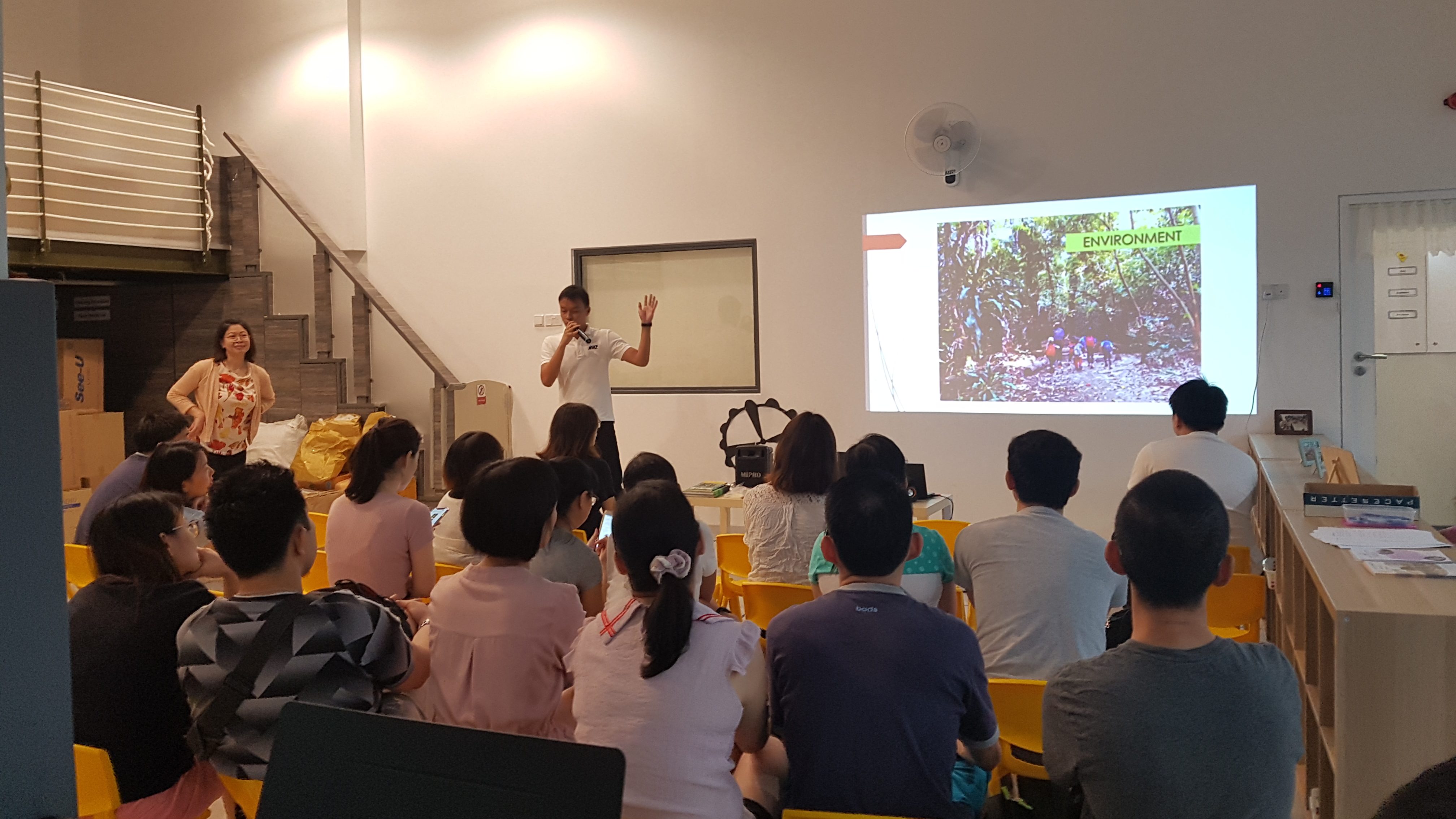
We can shove our children full of all the knowledge and drills in the world, but if they are unable to learn how to learn and retain curiosity for learning and life, then what good will their academic grades be for their future?
So on that note, value the non-academic work that is out there (whether Forest School or not). Pay attention to the growth and learning abilities of our children, not their grades. Focus on their process, curiosity, interests and motivations. Let grades be the measurement of compliance, not a measurement of the worth and value of our children and work.
——
Health
Lastly, I would like to bring everyone’s focus to our most heartening conversation of Forest Schooling — Isn’t the Health of our Children the most important thing for all of us?
It is heartbreaking to see any child endure the struggle of a fever or illness. Ever seen children who are suffering from illnesses in the beds of the children’s wards?
Are we so naive to think that chemical sanitisation products are able to prevent the bouts of illnesses that are thrown at us daily?
Don’t we want our children to build a physical resilience to the storm of illnesses that will be thrown at them? Don’t we want to build a strong immune system for our children?
Forest School children are proven to be healthier than children who do not attend Forest School, and we will not take credit for it. It is Mother Nature, the Sun, the Rain, the Wind, the Mud and all her magic that takes care of the immunity of our children. They also build a stronger internal resilience through their falls, cuts and bruises. (As Teacher Tom mentioned above).
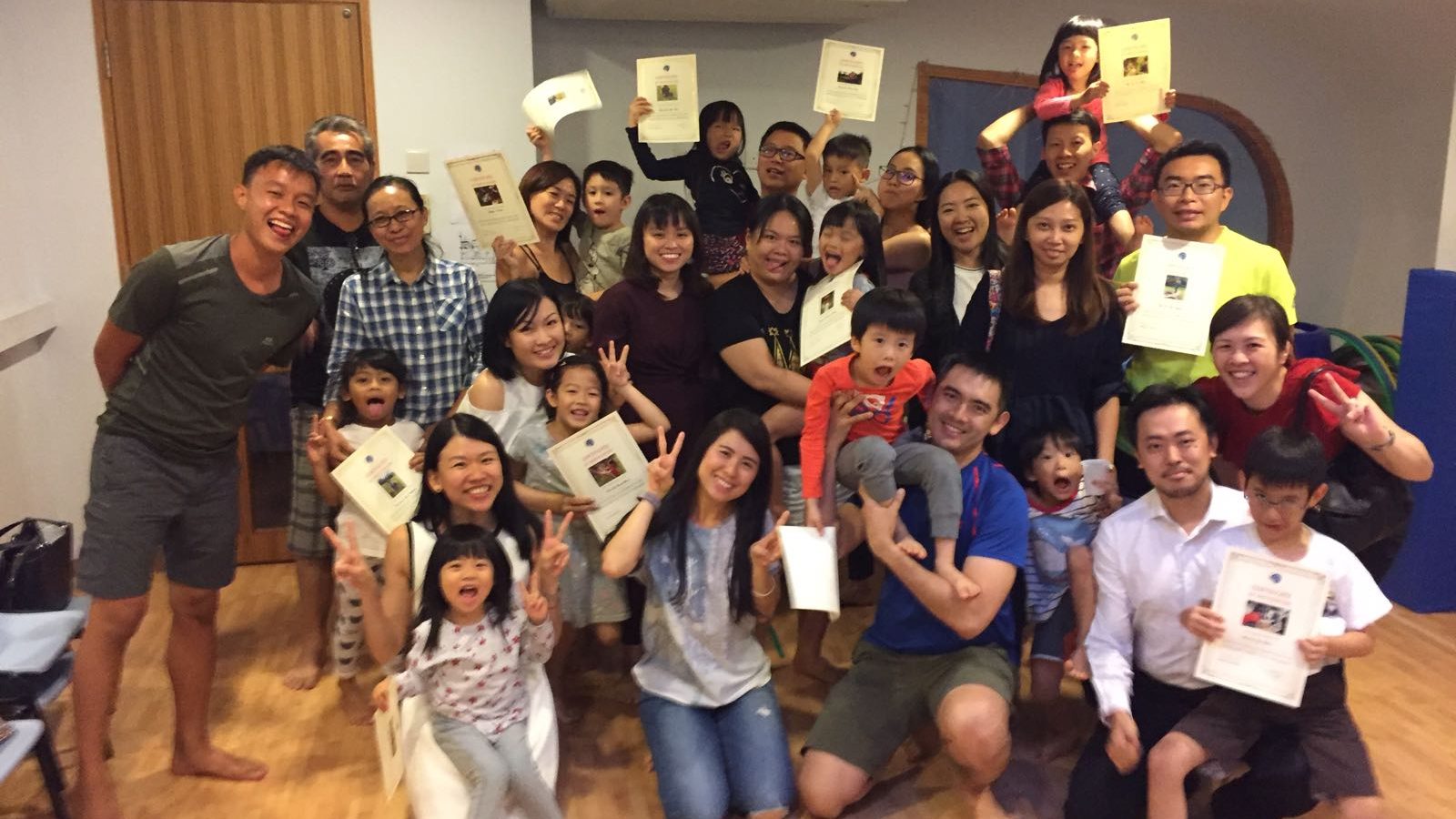
Well, isn’t that what we want for our children at the end of the day?
So on that note, bring your child outside under the Sun, Wind and Rain more often. Let Nature take care of their health, instead of cooping them up inside malls and classrooms. Do that and I bet on my life, that their health will be better.
——
All these sharings are strong and bring with it personal emotion. I have seen enough children suffer because of what we created as modern “civilized” society. I know, you know, we know, it is time for this to change. Not for Forest School, or for us adults. But for our children. Our children of the Future. One we will probably never live to see…
*Darren Quek is the Principal and Founder of Forest School Singapore.
*Natasha Saw is a Senior Coach at Forest School Singapore.

