
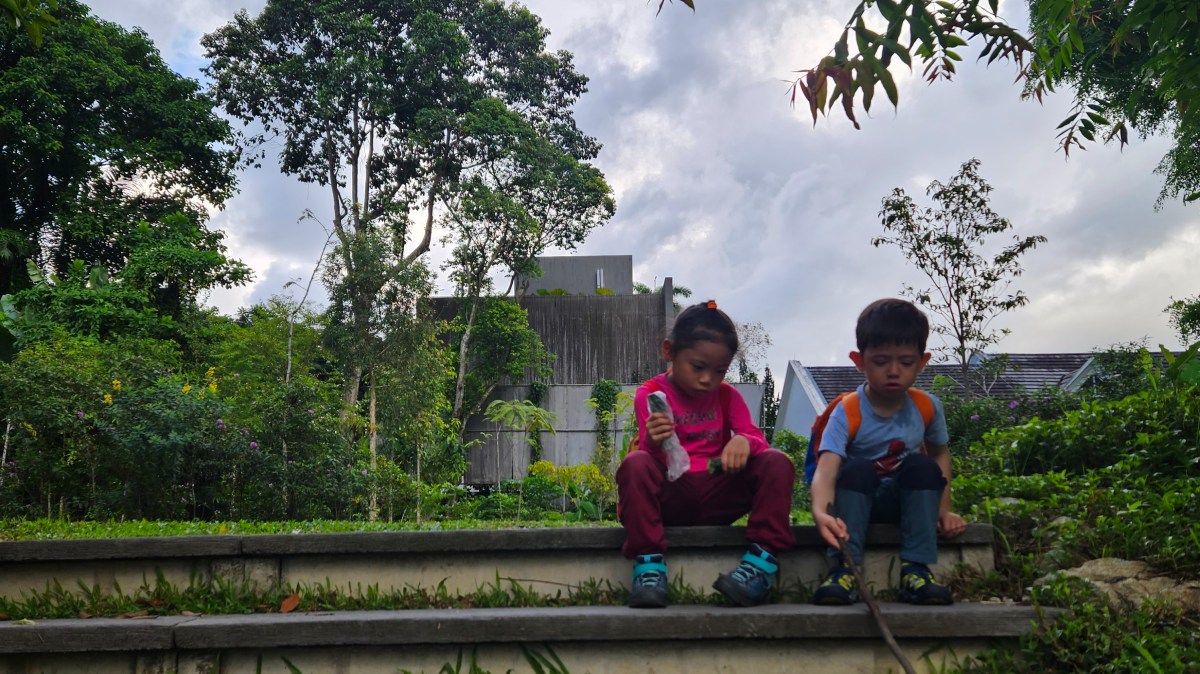
We all know someone — a child or adult — who has been tasked to be the peer support of a fellow classmate or person in their group. But what exactly does peer support entail? A peer supporter ensures that anything their peer does not understand is further clarified. They help to keep a lookout for their peers, in case they feel “off” and start to display antisocial behaviour. They also have to take on more social responsibility than other members of the group.
In our current school context, the Peer Support role is usually assigned to kids who the teacher has identified to be more mature or well-behaved. It is usually tasked to them with much obligation, and assigned a 1:1 ratio where the peer supporter is asked to sit beside their peer.
Expectations of the child who helps with peer support are usually higher. In a way, the child becomes a care-giver to the other child. He/she will need to hold space for their peer, usually without having received much capacity development in this aspect prior. The peer support role is often seen as “just helping” a friend, but the truth of the matter is that peer support is actually a lot of care work for a single person, much less a child.
This may lead to the child providing peer support becoming burnt out, leaving them with a lack of energy to deal with the issues that the receiving child kicks up. There is also potential for unhealthy relationships to form; the peer could abuse their peer supporter or vice versa, and this could lead to isolation and disempowerment for both the peer supporter and his/her peer.
Assigning just one person to provide peer support for another individual is a very unhealthy practice that happens not only in schools, but also in the adult world as well.
I personally feel that a much healthier way to do peer support is through the ecosystem/community process.
In the community process, we care as a group/community, not as isolated individuals. This allows for a good rotation of different individuals taking turns to care for the receiver. It will take into account the reality that some peer support givers may have bad days. This will also spread the expectation and pressure that the peer support giver has, and share it with the community. This process will ensure that no peer support giver is isolated in giving care for others. The result of this eco systematic process will also allow for more care and support for the peer.
Adding on to this community care and support process, there should be a shift from obligation to invitation. We should invite individuals to be part of the peer support giver community, instead of assigning/appointing based on an authority figure’s opinion alone.
In conclusion, the idea of peer support in general is of good intention, but there is room to improve the way we do it, especially in schools, as I have shown above.
I hope more people will realise the benefit of a community of care than leaving care and support givers isolated and burnt out.
Written by: Darren Quek
Edited by: Zoe Xu

