
NOTE: This article is a more detailed sharing of the Video Statement “Standing up against the CCTV Mindset” by Darren
The primary biological existence of an adult in this world is to raise the next generation of young or offspring, whether through parenting, teaching, or even indirectly through contributing to building a society where they can survive and grow up well. It is actually a collective commitment.
In recent years, there have been more incidents of child abuse in preschools being highlighted. Infamously, the most recent case of child abuse involved a former Kinderland preschool teacher who was caught roughly handling a crying young girl while pouring water into her mouth. Her actions were caught on video, which soon surfaced on the Internet and became a quickly-viral video.
2023:https://www.todayonline.com/singapore/kinderland-woodlands-abuse-case-ex-teacher-barred-preschool-sector-centre-leader-operator-under-investigation-2243546?cid=internal_inarticlelinks_web_25092023_tdy
2020:https://tnp.straitstimes.com/news/singapore/former-pre-school-teacher-jailed-10-months-abusing-child-special-needs
These incidents have shed an unhealthy light on the preschool educators’ field as a whole. But it has also revealed a deep-rooted issue that our modern society has bred through our compulsive need for control, standards, and results.
The community that takes the most responsibility for raising a child, parents and educators, is breaking down exponentially.
Due to the overreliance on SOPs and control mechanisms, there is less understanding and fewer practices that emphasise the power of community support.
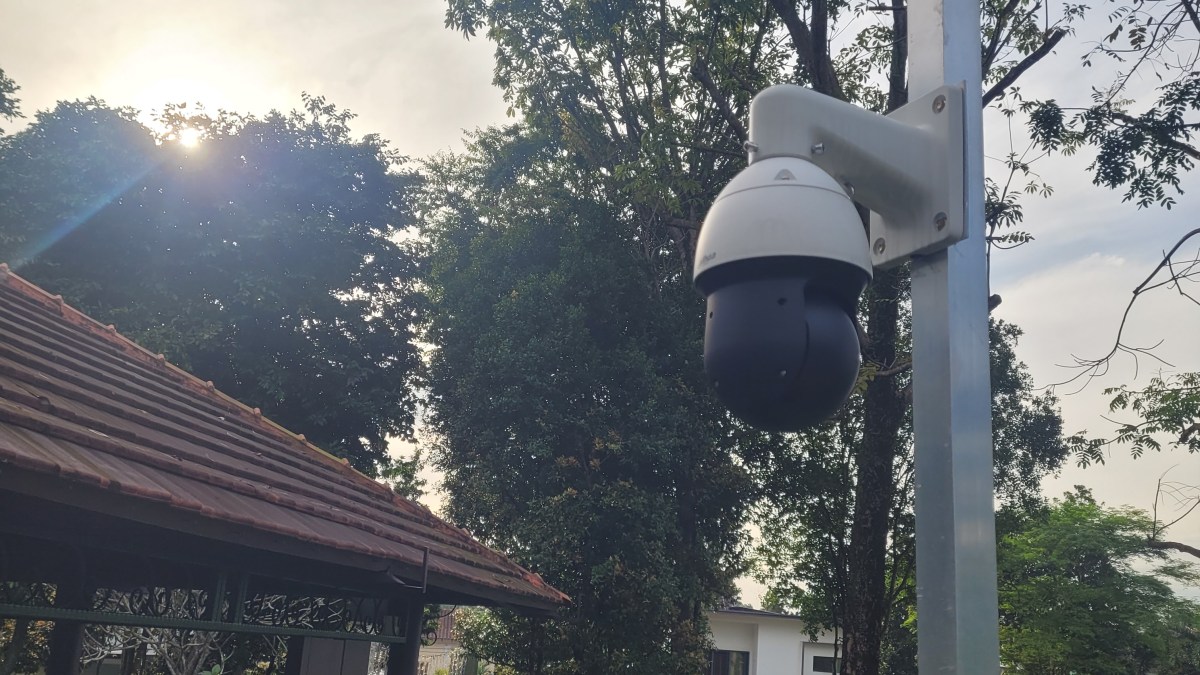
The recent Kinderland incidents, which caused knee-jerk reactions from society, stems from their belief in a colonial governance system (based on superiority complex and entitlement). Instead of engaging in communal conversation with the people who raise our children together, we instil more laws/rules and control mechanisms that sound similar to how people manage slaves and prisoners. The most disgusting solution of all that has surfaced from this situation is the CCTV cameras that point into the classrooms.
Have we become so dehumanised that we can’t have conversations? Do we not trust each other so much?
We all know that CCTV cameras represent a symbol of distrust, and shows that there is an imminent security danger.
Some people might argue that teachers should not be concerned about the CCTV installation if they do nothing wrong. While their reasoning is right, they are only approaching the situation from an outsider’s standpoint. For these folks, all I can say is: Put yourself in a work cubicle with a 24/7 CCTV and have a taste of it for yourself.
I would like to ask if anyone likes to have a CCTV camera pointed at your office cubicle?
What happens when your boss places CCTV in your work space? What does it mean?
Installing CCTV in our workplace is counterintuitive to the bullshit claim that many companies make: that it is important to care for the mental wellness of the people that we work withInstead of care and conversation, we choose to monitor and judge them. Tell me how CCTV helps with mental wellness?
The installation of CCTV also breeds poor character development, because of the idea that “there is Camera pointing at us, hence we need to perform/behave”. Doesn’t that just mean that these individuals are just faking a good performance?. When the eyes are away, will they show their true colours? And we are ok with this level of false integrity?
Lastly, the CCTV will also prove inefficient at the end of the day, by the way. It gives a false sense of control and fairness. When a preschool teacher really wants to do something inappropriate to a child, they will just bring them to the toilet to do it, no?
I think I’ve listed enough reasons that validate the conversation to not put CCTV cameras pointing into the classroom and school.
I would like to suggest better ways of dealing with mistakes and inappropriate behaviours in preschool.
Firstly, we should have a more comprehensive support ecosystem for our educators, where the community will be able to look out for them when they burnout and need a break from their children. We are only human, and sometimes these multiple requests from parents, administrators, colleagues and children can be overwhelming, especially when this individual has family or relationship issues of their own. We all know someone who broke down at work or school due to family struggles. I can vouch for the success of this comprehensive support system, as we at Forest School have been able to practise such a support ecosystem over the years.
Secondly, schools should have a clear Child Protection Practice (or Policy), that they believe in as a way of engaging with the community that raises our children together. This Practice should also include whistleblowing practices that will support Educators when their administrators or leaderships fall short. It is another layer of fail-safe that allows for our children’s welfare to be more intently cared for.
Lastly, and probably the most disturbing for our result and academic driven society… reduce our curriculum content. Make it more child-centric. It will reduce the artificial content creation of educators, while turning their focus to be more intuitive and observation strong. This will lead to our preschool educators being able to develop their capacity to be aware of their children and also their colleagues.
The statements that I have shared in this article are not full-proof, but I feel a strong urge to make my point heard as a person who spent 4 years in preschool, and many years with children with special needs and forest school. We become a better community for our children not because of rules, but because of the support we give each other and our children.
Written by: Darren Quek

